Suits you, Sir?!
As a visitor to another country, sampling the local culinary delights is always a joy.
Whilst wandering the streets of Berlin, you decide the time is right for a coffee and Berliner Pfannkuchen.
Approaching the counter, you proudly start to ask for your order in your limited German spiel. The barista applauds your effort yet seems a little bemused, so you apologise for the pronunciation and ask if he understood the order?

He nods, explains he can speak fluent English, so you start chatting. It turns out the German you were using was akin to “Good day, my fine fellow, one would ideally love to secure delicious doughnuts and a piping hot caffeinated beverage, if you please!”
Approaching the counter, you proudly start to ask for your order in your limited German spiel. The barista applauds your effort yet seems a little bemused, so you apologise for the pronunciation and ask if he understood the order?
Everyone’s favourite language trap, formality, returns to the table, waving a white handkerchief like it’s en route to high tea in 1925. Yes, it is a great ice breaker but, had the barista not mastered English, you could forever be labelled the tourist time forgot.
During real-life testing with our team of bilingual volunteers, a spotlight has been shone on more than words. As illustrated above, the informal chat people take for granted when they’re chatting in the same language can take a more formal turn in a foreign tongue.
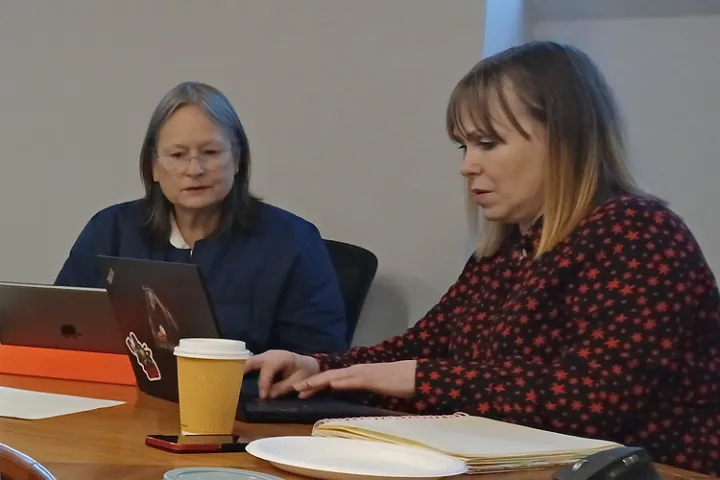
German, in particular, was coming across as old-fashioned and, somewhat, staid. Tester Rosemary Crameri said that, by nature, the German language can be very formal. She added that the translation worked but seemed a little out of place in modern, conversational German.
Input like this is invaluable for our team to refine and enhance the application and make it more natural for non-English speakers.
We have taken that on board! We listened to the feedback and the development team has already prototyped several new levels of formality into the application. These manage formality for each language and language-dialect, with an option of auto-detect.